
Mentors
Meet the Mentors
Women’s Health in the South East (WHISE) is delighted to be working with an inspiring group of experienced writers, storytellers, published authors and award-winning journalists as our Storytelling for Change Mentors. Each mentor brings distinct skills and insights, with a strong focus on care, safety and respect, and a shared commitment to supporting ethical storytelling for social change.
Our Mentors received a project pack and attended briefings that outlined the programs outcomes, values and approach. This included what to do and where to refer to if they experienced disclosures or needed support working with stories that may be triggering. They had the opportunity throughout the project to connect with the Project Manager for ongoing monitoring, debrief, support and participated in an evaluation of the program.
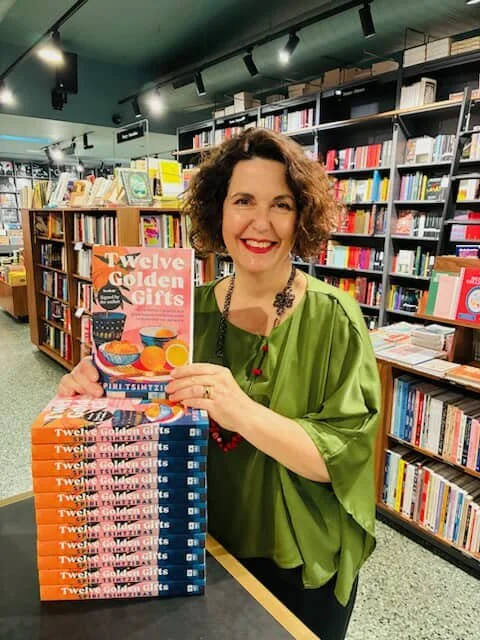
Meet Spiri Tsintziras
Our Storytelling for Change Teacher and Mentor
Spiri Tsintziras is an experienced author, trainer, mentor and writing teacher with social work, freelance journalism and training qualifications. She has been published widely in The Age, SBS Online, and various anthologies. She has written three memoirs, the most recent of which is Twelve Golden Gifts: How a mother’s wisdom and grace helped one family come to terms with her dementia.
Spiri has over 30 years experience working in health, community and educational settings including engaging with vulnerable groups such as women with advanced breast cancer, those experiencing family violence and adult students with mental health issues.
She is currently a professional writing teacher with Swinburne University and runs many writing workshops across Australia.
Spiri is a passionate advocate for social change and is excited to lead the Storytelling for Change writing workshops and is also a mentor for this project.
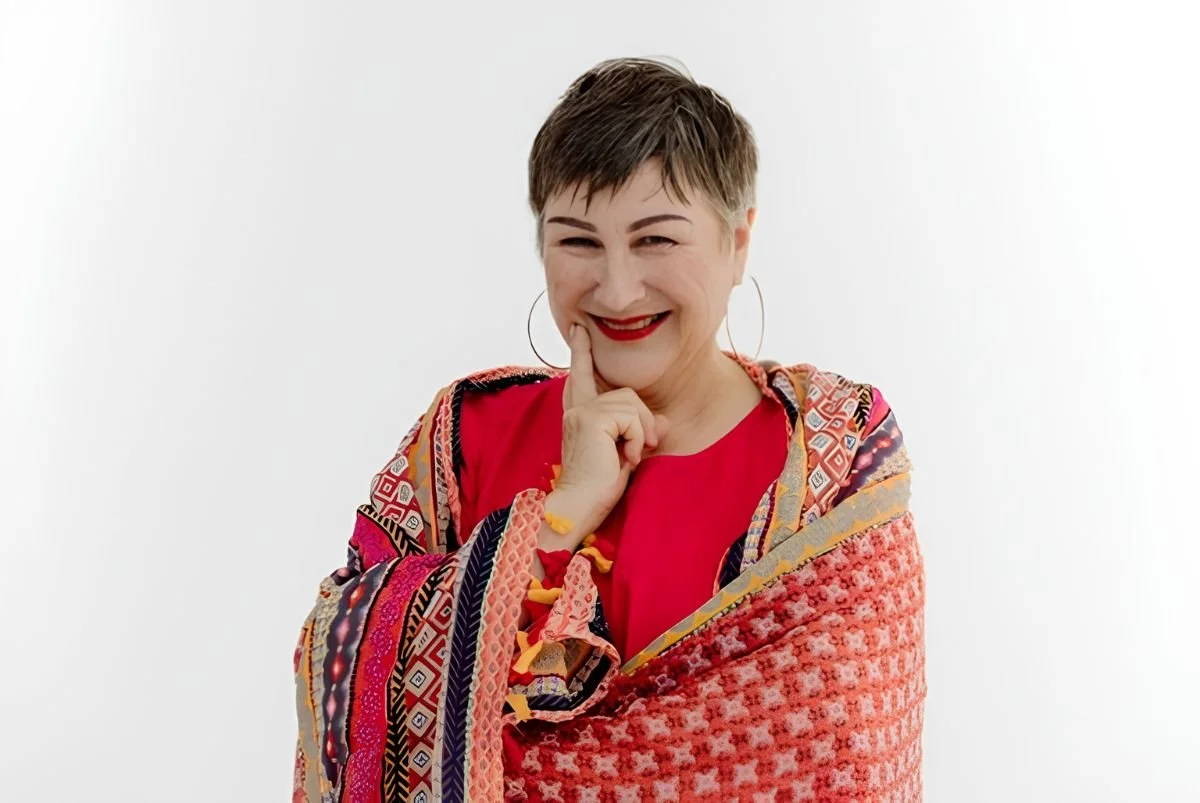
Meet Liza Dezfouli
Liza Dezfouli is a Melbourne-based comedian, speaker, performer and writer who uses humour to explore trauma, neurodivergence and queer identity. With a background in English as a Second Language teaching, creative writing and arts journalism, she has extensive experience supporting people—particularly those new to writing—to develop and share their stories in safe and inclusive ways.
She has worked across community and arts settings for decades, including facilitating creative writing with young women offenders, so is experienced in facilitating self-expression in those who may not at first see themselves as writers or storytellers.
Liza’s work spans advocacy and inclusion, LGBTIQA+ awareness, mental health and wellbeing, and creating culturally safe spaces. She is an award-winning writer and poet whose work has been published in multiple journals and anthologies; her short story Baby Bird won the Darebin Mayor’s Writing Award (2024), alongside other recent writing and poetry awards. She has also written for online outlets including Ozy, Narratively, The Hoopla, Mamamia and Trouble magazine, and has long-standing community involvement through housing and neighbourhood house committees.
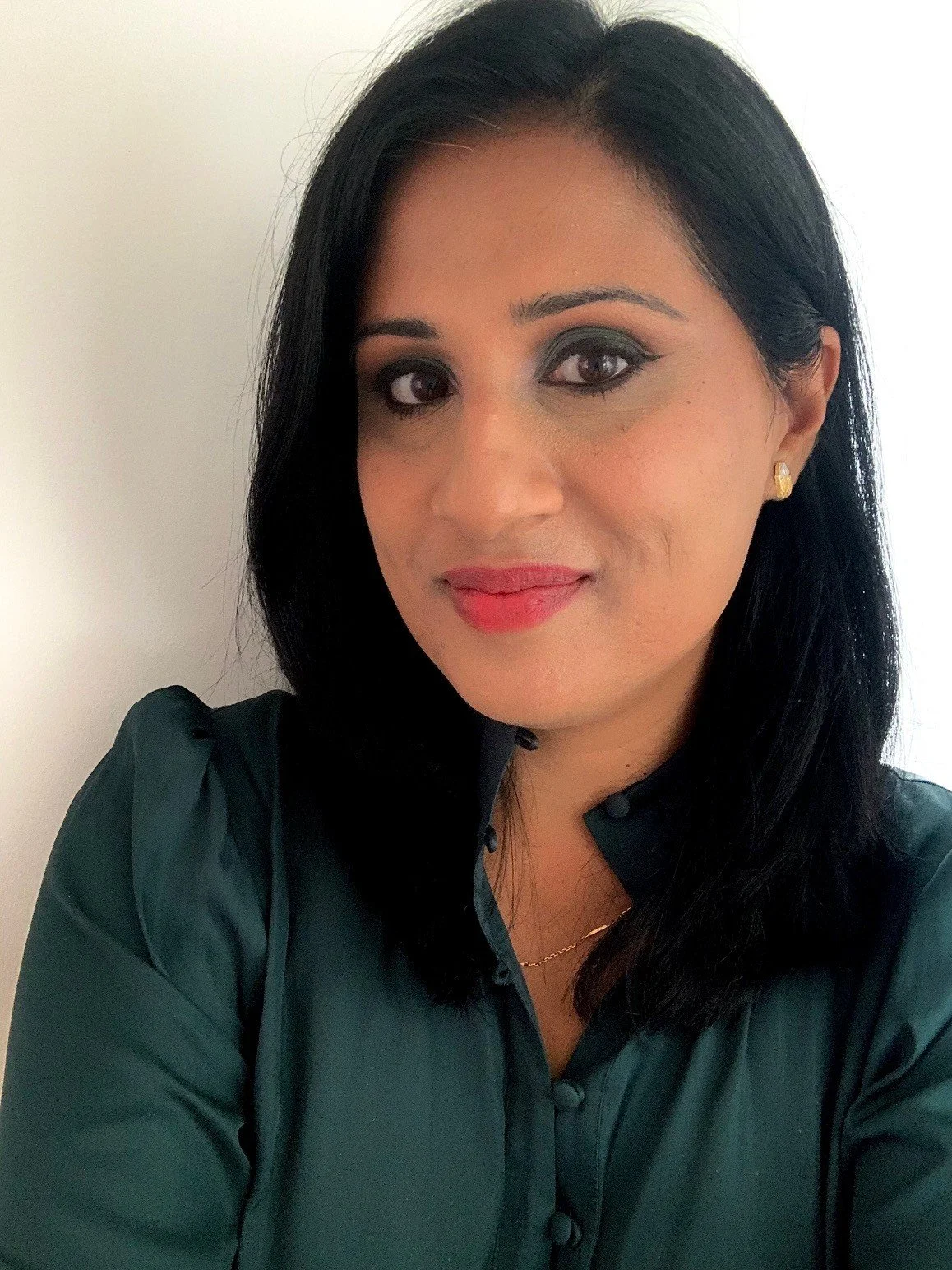
Meet Sarah Malik
Sarah Malik is a Walkley-award winning Australian investigative journalist, author and broadcaster. Her work focuses on asylum, surveillance, technology and its intersection with gender and race – most notably examining domestic violence, gender inequality and immigration. She is also interested in literary memoir, identity, culture, spirituality, religion and exploring stories from under-represented communities. Her critically acclaimed debut Desi Girl: On feminism, race, faith and belonging was published by the University of Queensland Press in 2022. Her second book Safar: Muslim women’s stories of travel and transformation was published by Hardie Grant.
Her writing has been featured in the Sydney Review of Books, New York Times, The Sydney Morning Herald, Daily Life, ABC’s The Drum, The Saturday Paper and The Guardian.
She has also worked as a contributing reporter for the Guardian and the New York Times covering asylum in Australia, breaking exclusive stories from a High Court challenge to the legality of detaining asylum seekers brought to Australia from Manus and Nauru for medical treatment, what life is like for Muslim detainees practising Ramadan in Villawood and disputed border advice given to a Muslim civil rights group. Sarah is an experienced and compassionate mentor and writing facilitator with Writers NSW.
Substack: Work in Progress
Website: https://sarahbmalik.com.au/
Instagram: @sarah_b_malik
Facebook: @sarahbmalikwriter
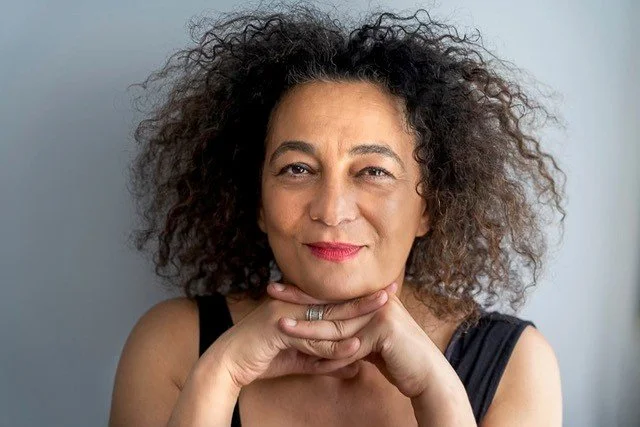
Meet Maha Sidaoui
Maha Sidaoui is a Lebanese-Australian writer whose work explores culture, queerness, identity, belonging not belonging and all the deeply uncomfortable moments that come with pretending you do. Maha has been writing for more than thirty years and draws on personal memories to enrich her fiction by incorporating emotional truth which allows for creative freedom to shape her stories.
Maha’s manuscript One Arabian Girl was shortlisted for the 2025 Spiers Prize, following earlier recognition through the Affirm Press Mentorship Program. Her short fiction has been published by Hardie Grant, including the story Choices, and she regularly performs her work at Generation Women and other Melbourne literary events. Maha also writes for screen and recently contributed an episode to the animated series Zip and the Tiny Sprouts. In 2025, she appeared at the Emerging Writers’ Festival, where she participated in festival readings and led memoir-writing workshops.
Maha loves mentoring and working collaboratively, creating supportive spaces where people can uncover and shape their ideas. With care, curiosity and a strong belief in each person’s voice, she works alongside others to draw out what they want to express and help bring it to life on the page. She believes that representation is not just about visibility but about telling stories in your own voice.
Maha’s Website
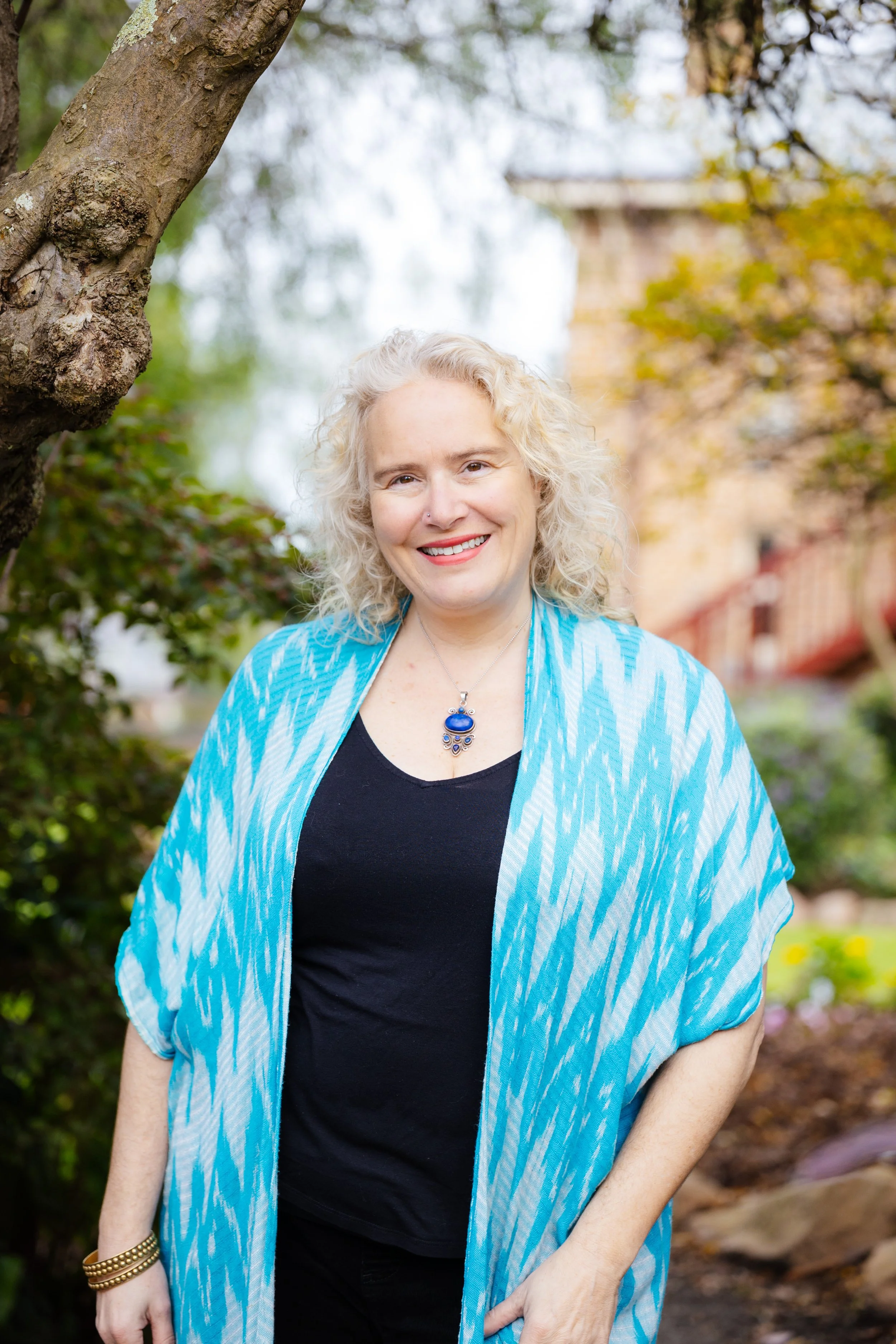
Meet Krissy Nicholson (she/her)
Krissy Nicholson is a writer, coach and mentor, and an intersectional gender equality leader.
She is the author of Tsunami and the Single Girl, which draws on her years working in disasters to show the gendered impacts of crisis (and her search for love). Her writing brings serious issues of gender inequality, poverty and disaster to a general audience, while respecting the people and communities whose stories are so often overlooked.
Her humanitarian work has taken her from the tsunami response in Sri Lanka and flood and earthquake responses in Pakistan to cholera response in Papua New Guinea and post-conflict recovery in Uganda. Today she is [job title] at Women’s Health in the South East (WHISE), and she holds a Certificate in Executive Coaching.
Having written her own story, Krissy understands the vulnerability, courage and ethical responsibility involved in sharing lived experience. Her mentoring is reflective, strengths-based and supportive, helping storytellers build confidence and turn personal narrative into meaningful social change.